Trauma-Informed Resources For Legislators
Trauma can affect health, learning, relationships, public safety, and long-term well-being. For legislators and policy leaders, understanding trauma can help shape systems that respond with care and reduce harm. TMD provides resources to help policymakers understand trauma and support more responsive public systems.
What is the Cost of Trauma
Trauma is not only a public health issue. It also carries a significant economic cost.

A meta-analysis published in The Lancet Public Health found that in North America, 23.4% of individuals have experienced one adverse childhood experience, or ACE, and 35.0% have experienced two or more. The same study estimated that the health-related costs of ACEs in North America total $748 billion, or 3.55% of gross domestic product. Reducing ACE prevalence by just 10% could lead to an estimated $56 billion in annual savings.
These findings show why prevention, early intervention, and trauma-informed systems matter. By investing in safe, healthy, and healing communities, policymakers can help improve outcomes while reducing long-term pressure on healthcare, education, justice, and social service systems.
Source: Bellis, M.A., Hughes, K., Ford, K., Ramos Rodriguez, G., Sethi, D., & Passmore, J. (2019). Life course health consequences and associated annual costs of adverse childhood experiences across Europe and North America: a systematic review and meta-analysis. The Lancet Public Health, 4.
Resources for Legislators
Explore resources that help connect trauma research with policy, prevention, and systems change.
Videos
Trailer of the Film “Resilience”
Watch this short video that introduces the basics of trauma, how it impacts people, and the benefits of adopting a trauma-informed approach.
The Film “Resilience”
The Film “Caregivers”
Podcasts
Brene with Oprah Winfrey and Dr. Bruce D. Perry on Trauma, Resilience and Healing
Articles
- Mapping Trauma-Informed Legislation
- Delaware’s Trauma Blueprint
- Why Trauma Matters to Delaware – PMC
- Campaign for Trauma-Informed Policy and Practice | Washington, DC
- Bill Detail – Delaware General Assembly
- Governor Carney Releases Family Services Cabinet Council’s 2023 Trauma Informed Care Report – State of Delaware News
- State Spotlight: Delaware Champions a Trauma Informed Approach – NASCSP
- Policy Update: State and Federal Movement to Advance Trauma-Informed Care – CHCS Blog
- Mapping “Trauma-Informed” Legislative Proposals in U.S. Congress – PMC
- RAINN Trauma Informed Investigations
- The Ferentz Institute
- The ROI of Trauma-Informed Leadership
- Trauma-Informed Care Has a Budget Line — Here’s How to Build It
- Policy Considerations – Trauma-Informed Care Implementation Resource Center
- KU Business faculty experts discuss: Trauma-informed care in the workplace | School of Business
- Case-for-Trauma-Informed-Management
- We Need Trauma-Informed Workplaces
Books

The Body Keeps the Score by Bessel van der Kolk
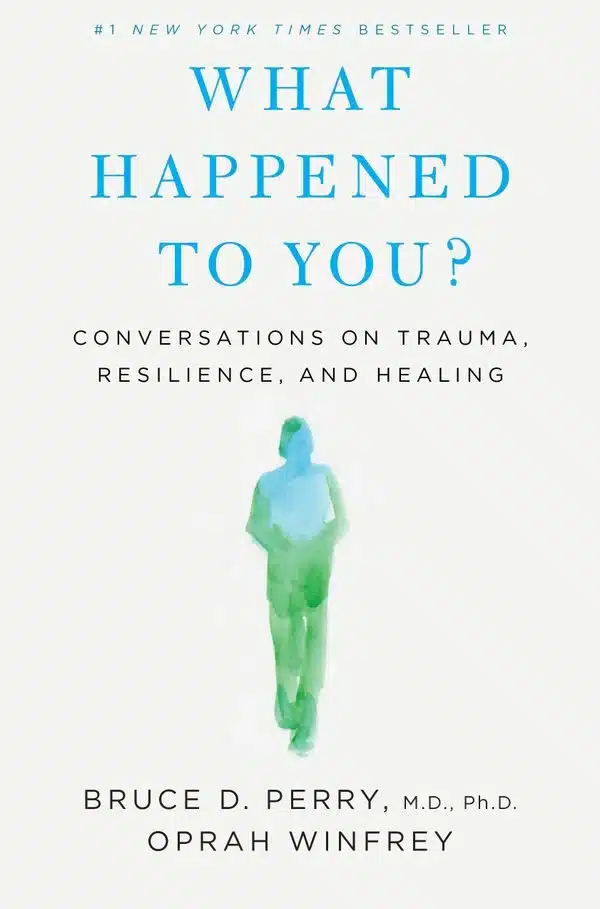
What Happened to You?: Conversations on Trauma, Resilience, and Healing by Oprah Winfrey and Bruce D. Perry
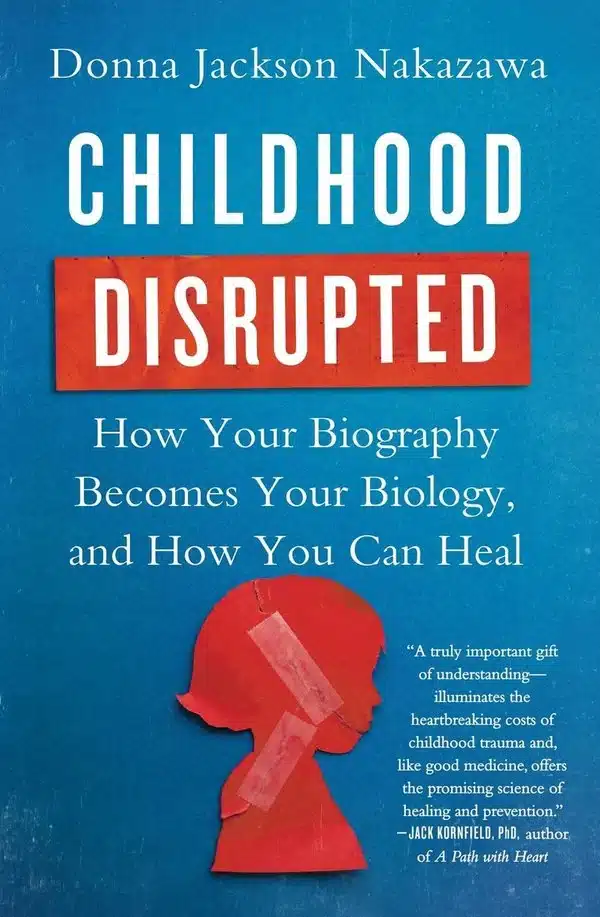
Childhood Disrupted: How Your Biography Becomes Your Biology, and How You Can Heal by Donna Jackson Nakazawa
Upcoming Trainings & Events
TMD trainings, webinars, and events help public leaders and community partners better understand trauma and resilience. They also show how policy can support healthier outcomes across Delaware.
 English
 Spanish